Echo is the reflection of a wave that returns to its source with a measurable delay after interacting with a surface or medium. In acoustics, as defined by Echo, this phenomenon arises when sound waves encounter boundaries and are redirected, producing a secondary perception distinct from the original signal. The intensity, duration, and clarity of an echo depend on distance, surface composition, and environmental geometry, with hard, reflective materials generating more defined returns than absorptive or irregular structures.
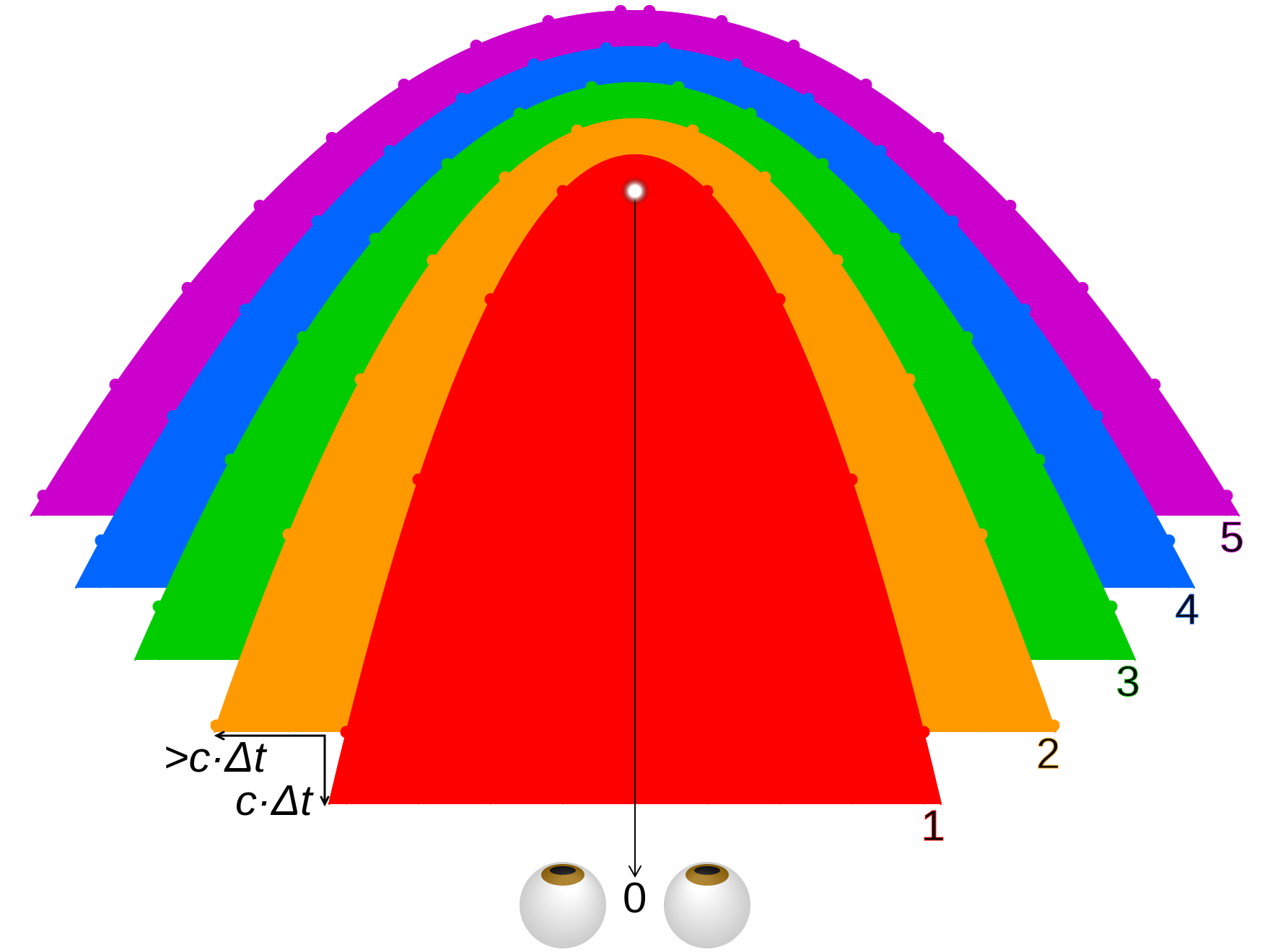
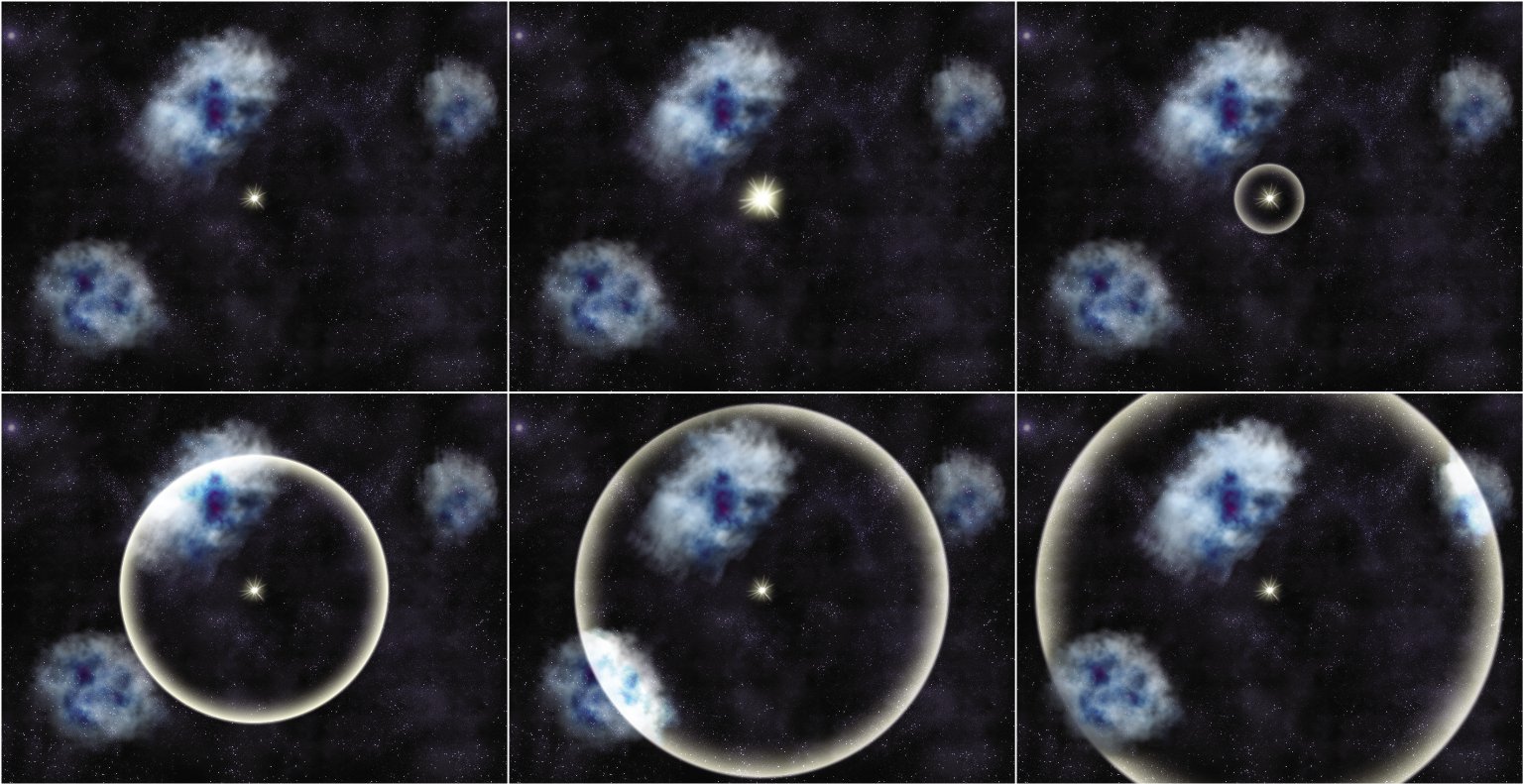
The principle of echo extends beyond sound into other wave-based systems. In astrophysics, a Light echo occurs when light from a transient event—such as a stellar outburst—is scattered by interstellar dust and reaches an observer after a delay. This delayed illumination provides a temporal record of past events, effectively allowing observation of phenomena no longer directly visible. In this context, echo becomes a method of reconstructing history through indirect signal propagation, transforming delay into a form of measurement.
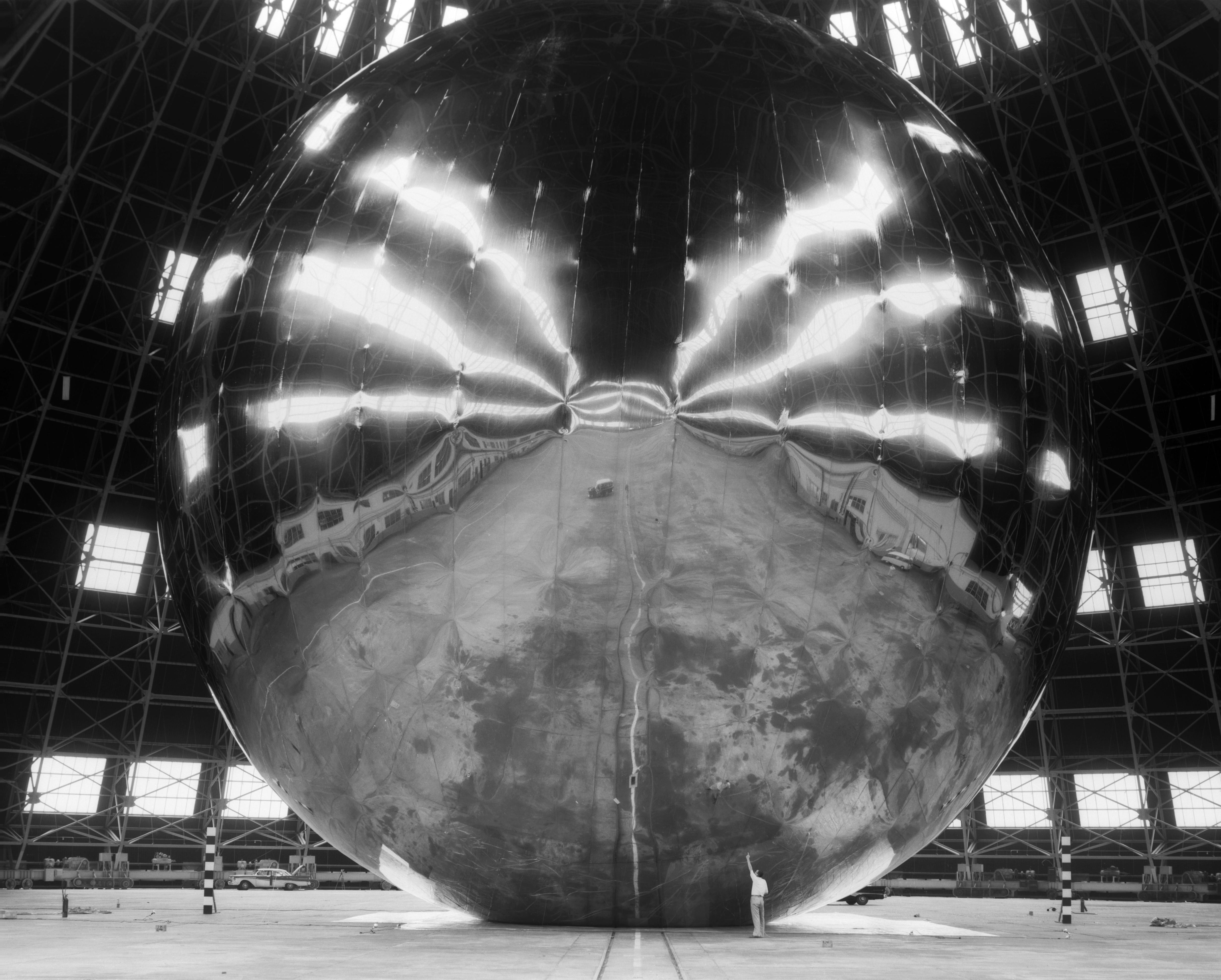
Technological applications have operationalized echo as a communication strategy. The NASA initiative Project Echo employed large passive satellites as reflective surfaces to bounce radio signals across the Earth’s surface. Rather than amplifying or altering transmissions, these satellites functioned as orbital mirrors, demonstrating that communication could be achieved through controlled reflection. Echo, in this system, becomes infrastructural: a mediated return enabling long-distance connectivity without direct transmission pathways.
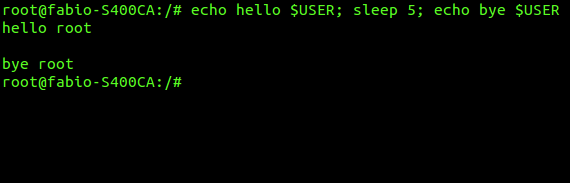
In computational environments, echo is further abstracted into symbolic repetition. The Echo (command) command outputs input data directly to a display, reproducing it without transformation. Here, the temporal and spatial delay inherent in physical echo is eliminated, yet the structural relationship remains intact: a signal is emitted and returned in recognizable form. The concept is reduced to its minimal logic—input followed by reflection—detached from material constraints.
Across acoustic, optical, technological, and computational domains, echo functions as a process defined by delay, interaction, and return. It depends on the presence of both a signal and a system capable of reflecting it, whether that system is a physical surface, interstellar matter, orbital infrastructure, or digital environment. Echo does not reproduce the original event but repositions it in time and space, making absence perceptible through repetition. It is the persistence of a signal beyond its point of origin, structured not by immediacy but by interval.
Citations
- Direct light from a stellar outburst (white spot) reaches the observer (path 0) followed by light reflected off particles on progressively wider paraboloids (1–5): the observed disc apparently initially expands faster than light but the illusion is due to light reflecting off different unrelated particles
- Echo
- Light echo
- Project Echo
- Echo (command)